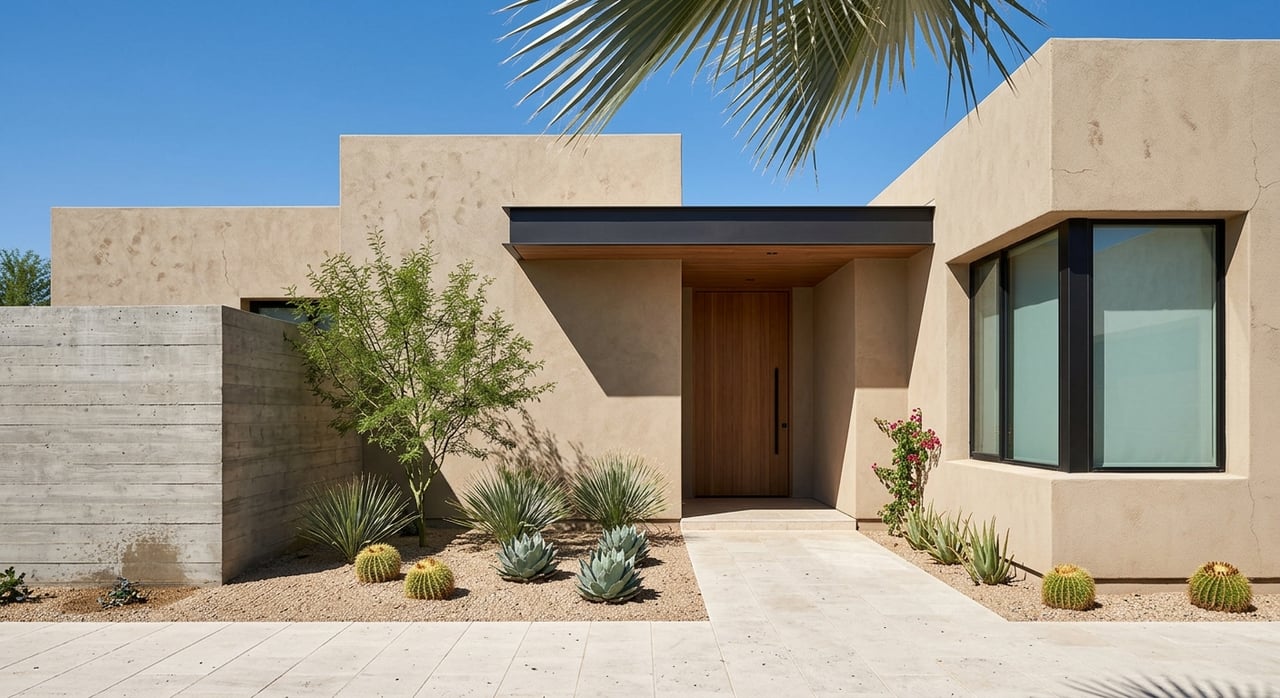
Palm Springs Housing Market Seasonality and Prices
April 23, 2026
April 23, 2026
If you have ever wondered whether timing really changes what you will pay or earn in Palm Springs, the short answer is yes, but probably not in the way you think. This is a market shaped by weather, tourism patterns, and second-home demand, so the seasons can affect buyer activity and negotiating power in noticeable ways. When you understand that rhythm, you can make smarter decisions whether you plan to buy, sell, or simply watch the market. Let’s dive in.
Palm Springs does not behave like a typical inland housing market. It acts more like a resort destination, where demand rises and falls with the weather and the visitor calendar.
According to Visit Greater Palm Springs weather data, winter brings mild, sunny conditions with average temperatures from 40 to 75 degrees, while summer is the hottest period with temperatures ranging from 70 to 108 degrees. That shift matters because people are simply more likely to visit, tour homes, and imagine themselves enjoying the lifestyle when the weather is comfortable.
The local events calendar also helps drive seasonal interest. Visit Greater Palm Springs highlights that Modernism Week celebrations take place in October and February, alongside a busy fall event schedule. In practical terms, that means Palm Springs often sees stronger showing traffic and more second-home interest in late fall, winter, and early spring.
Seasonality does affect Palm Springs home prices, but it tends to change leverage more than headline pricing. That is one of the most important things to understand if you are trying to time the market.
According to the January 2026 Greater Palm Springs REALTORS Desert Housing Report, detached home prices usually reach their seasonal low between autumn and their seasonal high in spring. The same report notes that attached homes follow a similar pattern, often with a larger seasonal swing.
That does not mean prices spike dramatically every few months. Instead, the more consistent pattern is that certain times of year bring more competition, while others give buyers more room to negotiate.
Inventory in the Coachella Valley follows a recurring annual cycle. The same January 2026 GPSR report says inventory tends to peak around the turn of the year and reach its low point in late summer.
That may sound backward at first. Many people assume the busiest buying season would also bring the most limited supply. In Palm Springs, though, higher inventory at the start of the year can still coincide with elevated demand because so many seasonal visitors and second-home buyers are in town.
The December 2025 GPSR market report also notes that inventory is seasonally high at the turn of the year. By March 2026, Palm Springs showed 769 homes for sale and 137 average monthly sales in the local reporting, which suggests that activity can remain strong even when supply is still meaningful.
Winter is often the busiest-feeling season in Palm Springs. Comfortable weather, seasonal travel, and a full event calendar bring more visitors into the area, and some of those visitors become serious buyers.
If you are selling, winter can put your home in front of a larger audience. If you are buying, it can mean more eyes on the same well-located or move-in-ready properties.
Even with stronger activity, Palm Springs is not necessarily a frenzy market every winter. The research report notes a March 2026 market baseline from Redfin of a $610,000 median sale price, about 70 days on market, 165 homes sold, and an average of one offer per home. That points to a market with active demand, but not one where every home triggers a bidding war.
For you, that means winter can still be a workable time to buy or sell, especially if your expectations are grounded in current conditions rather than assumptions.
Spring is the strongest candidate for seasonal price strength in Palm Springs. The January 2026 GPSR report says detached-home prices generally reach their seasonal high in spring, with attached homes following a similar pattern.
This makes sense when you combine the pricing data with the weather. Spring still offers comfortable conditions for touring homes, using outdoor spaces, and seeing a property at its most inviting.
If you are thinking about listing, spring may give you the best chance to launch with confidence. Buyers are active, homes often show well, and pricing tends to be firmer than later in the year.
That does not mean any home will command a premium. Condition, presentation, pricing strategy, and property type still matter. But spring generally gives sellers a stronger backdrop.
Summer is usually the quietest stretch for Palm Springs housing activity. The weather becomes much hotter, and tourism demand softens.
According to Visit Greater Palm Springs weather information, June through September are the warmest months, often reaching the low triple digits. The same source also notes that June through August are off-peak months with greater availability and off-peak pricing for meetings, which supports the broader idea that visitor traffic cools down in summer.
The June 2025 GPSR report reinforces that pattern. Palm Springs had the highest months-of-sales ratio in the valley at 5.6 months and the widest average selling discount at -4.1%. Valley-wide, only 11.0% of homes sold above list price, down from 15.0% a year earlier.
If you are buying in summer, this can be one of the better times to negotiate. You may find sellers more open to price adjustments, credits, or terms, especially if a home has been sitting.
If you are selling, summer does not mean you should wait automatically. It means your pricing and presentation need to be especially disciplined. Strong marketing, high-quality visuals, and a realistic launch price can matter even more when buyer traffic is lighter.
Fall is best understood as a ramp-up period. It is usually more active than summer, but not yet as competitive as winter or early spring.
Visit Greater Palm Springs describes fall as the destination’s secret season, when temperatures begin to cool and outdoor comfort returns. The area’s fall events calendar and October Modernism Week activities also help bring fresh attention back to the market.
For buyers, early fall can offer a useful middle ground. You may see less competition than peak season, while still shopping in better weather than summer.
For sellers, fall can be a smart window if you want to get ahead of the winter rush. You may catch renewed buyer interest before the market reaches its busiest stretch.
Not every property type follows the exact same seasonal pattern. The January 2026 GPSR report says attached homes tend to follow the same general cycle as detached homes, but with a larger seasonal swing.
That matters if you are comparing condos, townhomes, and single-family homes in Palm Springs. A condo buyer or seller may feel the effects of seasonality more sharply, especially in communities that attract part-time residents or seasonal owners.
If you are buying in Palm Springs, seasonality can help you decide when to act, but it should not be your only guide. Summer and early fall often offer more negotiating room, while winter and spring may bring more competition.
The best time to buy is often the moment when your budget, goals, and available inventory line up. If you find the right home in peak season, waiting for summer savings may not always pay off. On the other hand, if you value leverage and flexibility, quieter months may work in your favor.
If you are selling, winter and spring often give you the strongest audience. Buyers are more active, the area is full of seasonal visitors, and homes with strong presentation may benefit from firmer pricing conditions.
Still, Palm Springs seasonality is not a guarantee of a higher sale price on its own. The research suggests that leverage changes more reliably than prices do. That means your results still depend on pricing, condition, property type, and how well your home is marketed.
The biggest lesson from Palm Springs seasonality is simple: the calendar can shape opportunity, but it does not replace strategy. Spring may support stronger pricing, summer may create more buyer leverage, and winter may bring the most eyes to the market, yet each move still needs to fit your goals.
If you want help reading the timing of the Palm Springs market, pricing a home for the current season, or deciding when to buy, Deborah Ferrell offers the kind of responsive, high-touch guidance that can help you move with confidence.
Stay up to date on the latest real estate trends.
Whether you're buying, selling, or investing in real estate, Terry and Deborah are here to assist you every step of the way. Contact us today to schedule a consultation and experience the difference our team can make for you!