Rancho Mirage Golf Communities Guide for Buyers
May 28, 2026
May 28, 2026
If you picture Rancho Mirage as just another desert city with a few golf courses, you may miss what makes it special. In this part of the Coachella Valley, country club living has shaped how many neighborhoods were planned, how homes relate to shared amenities, and how buyers experience daily life. If you are thinking about a full-time move, a seasonal home, or a lower-maintenance retreat, understanding these differences can help you choose more confidently. Let’s dive in.
Rancho Mirage has deep roots as a golf-oriented residential market. The city was incorporated in 1973, covers about 25 square miles, and had a permanent population of 16,992 in the city’s FY2024 ACFR.
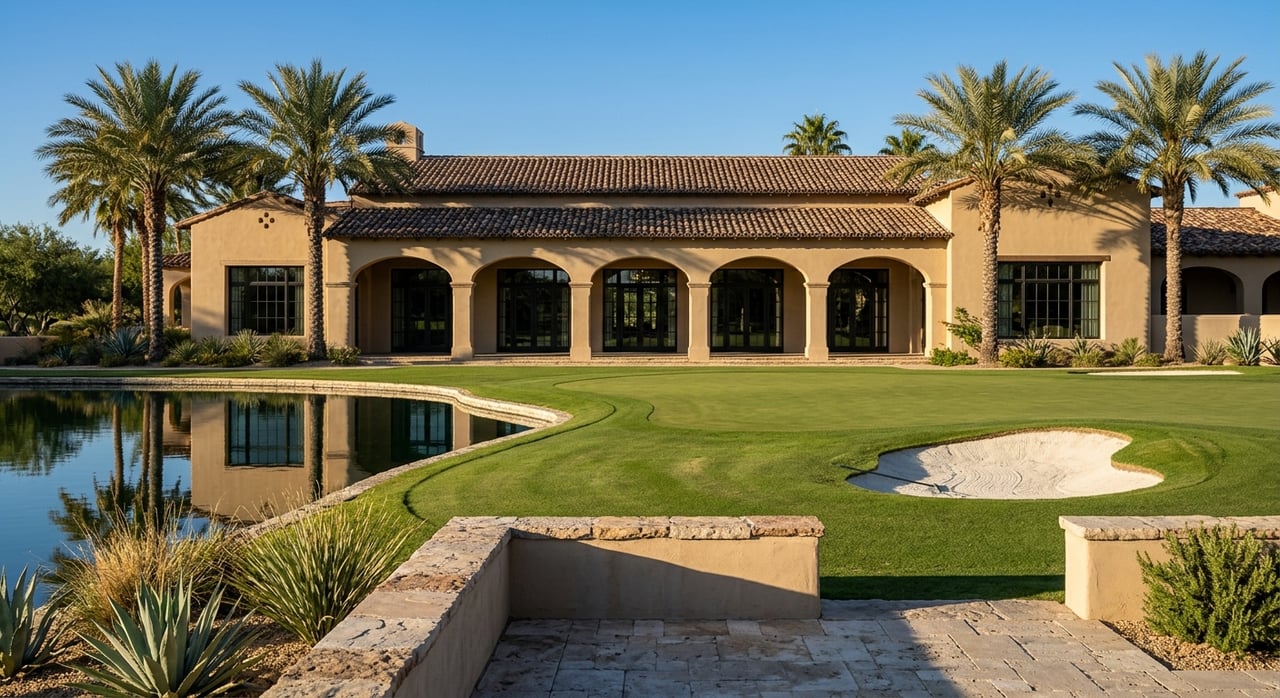
Its local history also points to a distinct Country Club Era from 1951 to 1973, when clubs like Thunderbird and Tamarisk helped define the area. That legacy still shows up today in fairway homes, gated communities, condo enclaves, and neighborhoods built around shared recreation and landscape features.
For you as a buyer, that means Rancho Mirage does not offer one single version of country club living. Instead, you will find several different models, each with its own balance of privacy, golf access, social life, and maintenance level.
Before you focus on views, floor plans, or clubhouse style, start with the membership structure. This is one of the most important filters when comparing Rancho Mirage golf communities.
A simple first distinction is equity vs. non-equity. In an equity club, members have an ownership stake in the club. In a non-equity club, the club is owned or operated by a private entity, and membership does not create ownership.
In Rancho Mirage, though, the picture is often more layered than that. Some communities tie membership to homeownership, some separate golf from base ownership, some allow non-resident members, and some are invitation-only.
That is why it is smart to verify membership rights at the parcel level. Two homes in the same broader community may not always come with the exact same privileges, costs, or access.
When you tour homes in Rancho Mirage country club communities, ask these questions early:
One reason Rancho Mirage appeals to so many buyers is that the market offers several distinct club lifestyles. Here is how some of the city’s notable communities compare.
Sunrise Country Club is a strong option if you want condo living with a built-in club environment. The community includes 746 condominiums, an 18-hole executive course designed by Ted Robinson, 21 swimming pools, 12 tennis courts, four regulation pickleball courts, and a clubhouse with dining and activity space.
A key detail for buyers is that homeowners are automatically equity members, with no additional initiation fee, while annual golf memberships are available separately. That setup can appeal if you want everyday access to community amenities without committing to full golf use right away.
The Springs is another ownership-linked community that stands out for convenience and flexibility. It has 817 homes surrounding an 18-hole championship course and includes tennis, pickleball, fitness, dining, social clubs, and spa services.
What matters most here is the structure. Social membership comes with homeownership, while golf membership is separate and offered at a reduced rate, which gives you room to tailor the experience to how often you expect to play.
If your priority is a highly private, golf-centered atmosphere, Morningside deserves a close look. The club has 363 homes on 165 acres, is a private-equity club owned by its membership, and limits membership to 225.
That tighter structure helps create a more controlled club environment. Morningside also emphasizes service and pace of play, along with amenities such as dinner service, valet, a barber shop, and a spa.
Thunderbird is one of the heritage names in Rancho Mirage country club living. The club presents itself as an origin point for the desert lifestyle in the Coachella Valley and places golf, tennis, wellness, dining, and social engagement at the center of the experience.
Membership is by invitation only, which makes Thunderbird a different kind of fit than a more open or ownership-linked community. If you value history and a more selective club setting, it may be worth exploring with care.
Tamarisk reflects another side of Rancho Mirage club culture. While golf remains central, the club also highlights monthly dinner socials, themed events, speaker nights, art programming, spa services, gym access, tennis, and pickleball.
For buyers, that makes Tamarisk a useful example of a heritage club where the social calendar can matter just as much as the course itself. If you want a club that feels active beyond golf season, this type of environment may be appealing.
Mission Hills offers a broader, amenity-rich private club experience. Its membership options are built around both golf and lifestyle use, and the club features three championship courses, extensive racquet facilities, wellness amenities, and network-style benefits.
The scale here is notable. Mission Hills lists 49 racquet courts across hard, grass, and clay surfaces, plus 20 permanent pickleball courts, making it especially attractive if your lifestyle includes tennis or pickleball in addition to golf.
Rancho Las Palmas has a more resort-style feel than some of the more traditional private clubs. The club includes an 18-hole resort course, a 6-hole express course, 20 tennis courts, and 20 pickleball courts.
Its membership menu also adds flexibility, with signature golf, seasonal golf, racquets, and resident benefits. For a buyer who wants access options that can fit a part-time schedule, that structure may be especially useful.
Desert Island feels more hybrid than many other options in Rancho Mirage. The club allows non-members to book tee times, while capping membership at 100.
Members receive benefits such as unlimited golf rounds, peak-hour tee-time access, member events, and dining privileges. If you like the idea of trying the course atmosphere without jumping into a highly traditional private-club model, Desert Island offers a different path.
The right golf community is not just about prestige or the number of amenities. It is about how you want to live once you own the home.
If you want the most private, golf-focused environment, Morningside and Thunderbird stand out. Both emphasize a stronger club-first identity, with tighter control over membership.
If you want a fuller lifestyle mix with dining, events, racquet sports, and wellness, Mission Hills, Tamarisk, and Rancho Las Palmas deserve attention. These communities place clear value on social programming and broader recreational use.
If lower-maintenance living is your goal, Sunrise and The Springs are especially relevant. Both tie important parts of the club relationship to homeownership, which can simplify daily life for full-time residents and seasonal owners alike.
If you want flexibility and do not want to assume a rigid private-club commitment, Rancho Las Palmas and Desert Island offer useful contrasts. One leans resort-style with seasonal options, while the other blends public tee-time access with a more exclusive member experience.
One of the biggest mistakes buyers make is assuming that a home inside a golf community automatically includes full club privileges. In Rancho Mirage, that is not always the case.
You may find one community where ownership creates automatic equity membership, another where social access is included but golf is extra, and another where membership is separate or selective. That difference can affect your budget, your day-to-day use, and your long-term satisfaction with the home.
It also helps to think beyond the course itself. The details that shape daily life often include pool access, dining rhythm, racquet sports, spa facilities, guest policies, and how active the social calendar feels during the season.
Rancho Mirage country club living is appealing partly because it offers variety, but that variety can also make your search more complex. Two communities may both look polished from the outside while offering very different ownership structures and day-to-day experiences.
That is where local guidance becomes valuable. When you work with a team that understands Coachella Valley golf communities, you can compare not just homes, but the lifestyle, membership setup, and neighborhood feel that come with them.
Whether you are looking for a condo with built-in amenities, a private-equity club environment, or a resort-style second home, a clear side-by-side comparison can save time and help you choose with confidence. If you are exploring Rancho Mirage golf communities, Deborah Ferrell can help you narrow the options and find the right fit for your goals.
Stay up to date on the latest real estate trends.
Whether you're buying, selling, or investing in real estate, Terry and Deborah are here to assist you every step of the way. Contact us today to schedule a consultation and experience the difference our team can make for you!