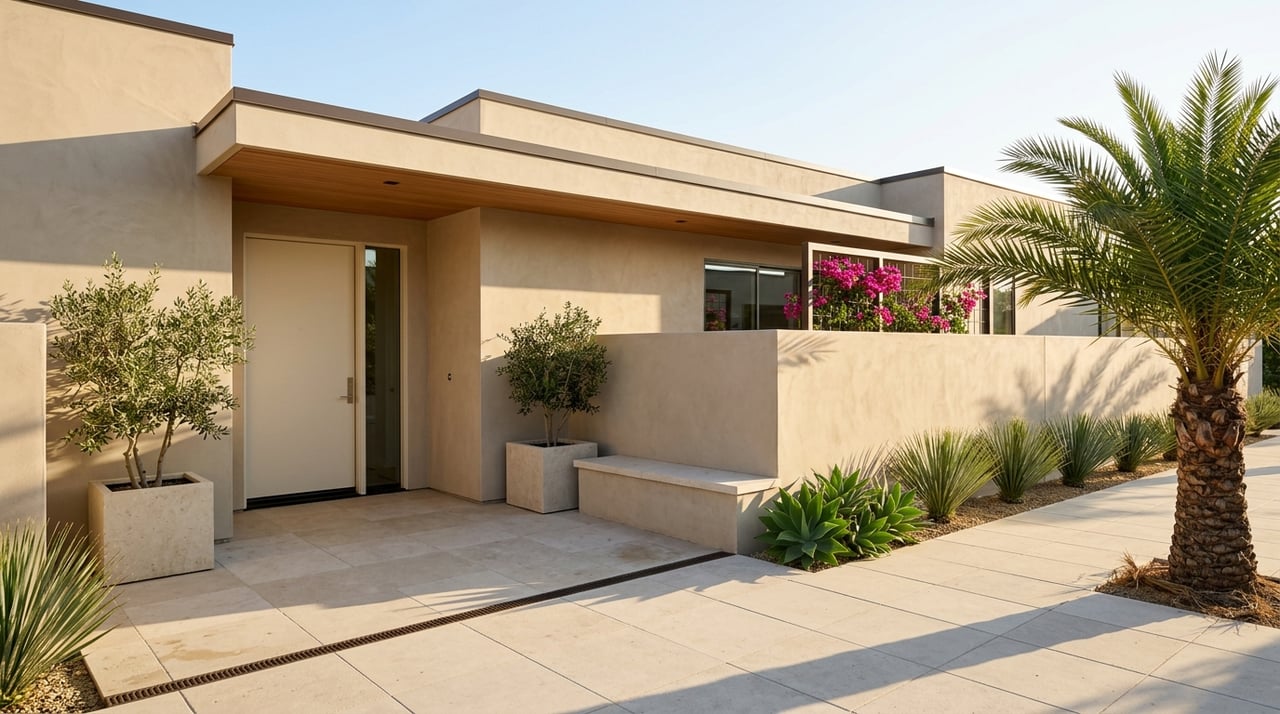
Indian Wells Condo vs House: How to Choose Well
July 2, 2026
July 2, 2026
If you are trying to choose between a single-family home and a condo in Indian Wells, you are not alone. Many buyers love the area’s resort lifestyle but want to make sure their home choice matches how they plan to live, travel, maintain the property, and possibly rent it out. The good news is that the right answer is usually clear once you look past the label and compare ownership, upkeep, privacy, and community rules. Let’s dive in.
Indian Wells is not a one-size-fits-all market. The city is built around six residential country clubs, and many of these communities operate like small cities within the city, with amenities such as golf, tennis, fitness, spa access, and social or educational programming.
That setting makes the single-family versus condo decision more nuanced than it may be in other places. In Indian Wells, both detached homes and attached homes can be part of amenity-rich communities, so your day-to-day experience may depend as much on the neighborhood and HOA structure as on the property type itself.
Before you compare lifestyle, it helps to understand the difference. A single-family home usually means a detached home, often with more separation from neighbors and more direct control over the exterior and outdoor areas.
A condo, under California law, is a form of ownership. It includes a separate interest in a unit plus an undivided common interest in shared property, which means you cannot always tell a condo just by looking at the building style.
That matters in Indian Wells because a home that looks detached may still be part of a common interest development with an HOA. In other words, “single-family” does not always mean “no association,” and “condo” does not always mean a large multi-unit building.
The city’s housing framework includes both detached and attached housing. Very-low- and low-density areas are generally tied to larger-lot single-family homes, while medium-high density areas can allow attached dwellings such as townhouses and condominiums.
The city’s zoning standards also regulate things like setbacks and building height. That helps explain why privacy, yard space, and outdoor living can vary quite a bit from one Indian Wells neighborhood to another.
So when you compare options, it helps to focus on the actual layout of the home and lot. Two properties at a similar price point can feel very different depending on spacing, common areas, and how the community is designed.
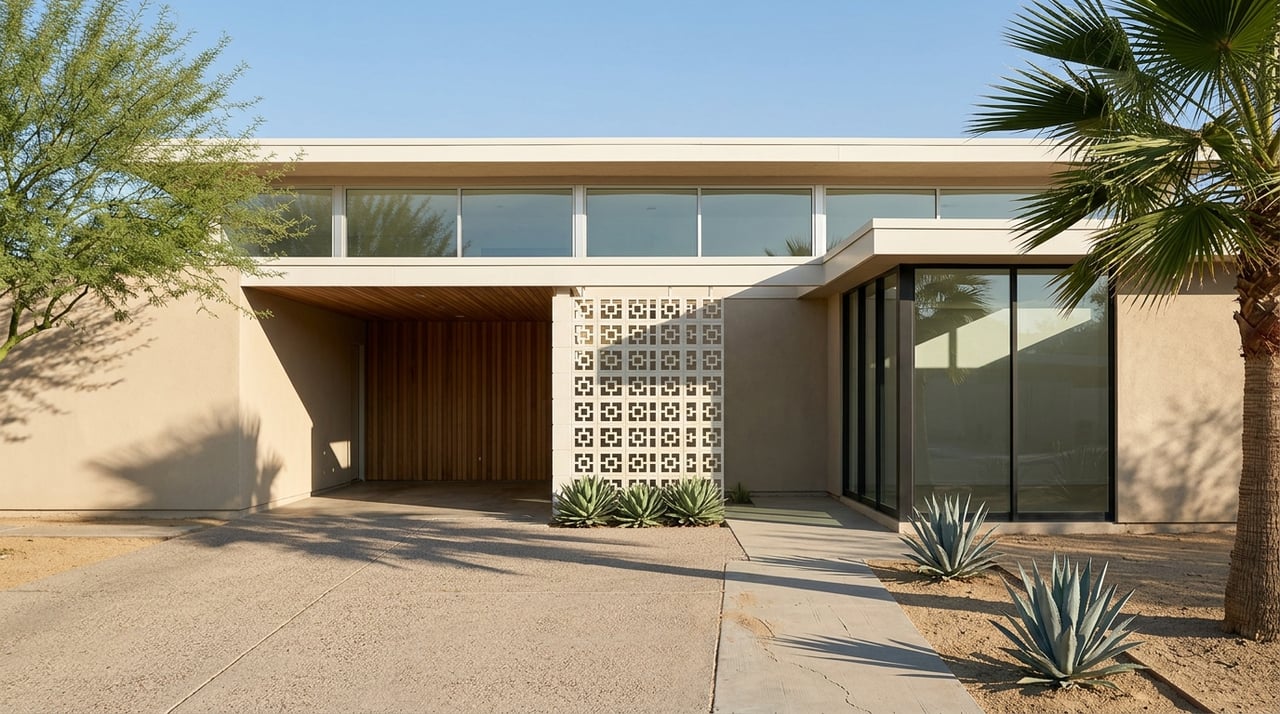
A single-family home often appeals to buyers who want more privacy and more say over how the property looks and functions. If you picture larger outdoor spaces, fewer shared-wall concerns, or more freedom to plan exterior improvements, this option may feel more natural.
In Indian Wells, that can line up well with lower-density areas where detached homes sit on larger lots. If your goal is to create a more private desert retreat or have more breathing room outdoors, a detached home may check more of your boxes.
This option can also be a strong fit if long-term control is a top priority. Even then, you still need to verify whether the property sits in a planned development with HOA rules, because some detached homes still come with community standards, dues, and shared amenities.
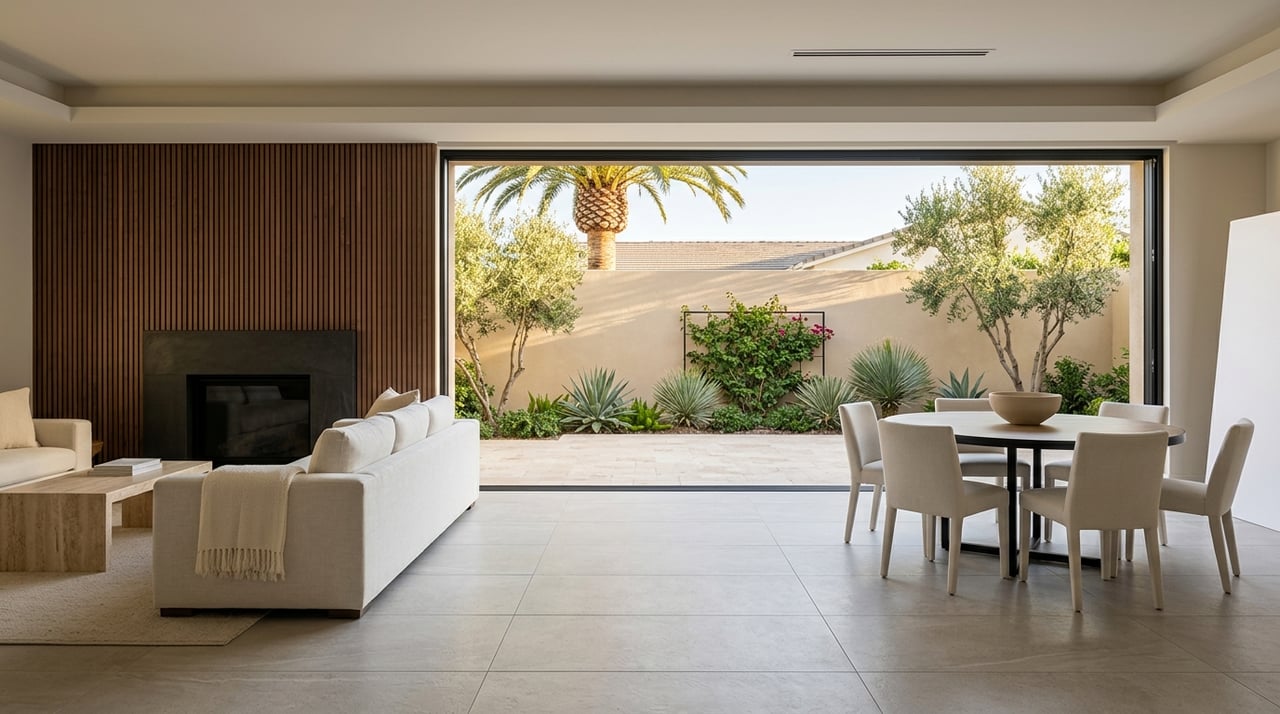
A condo often works well if you want a simpler, more lock-and-leave lifestyle. For seasonal owners, second-home buyers, or anyone who prefers less exterior upkeep, that can be a major advantage.
In a condo-style setup, the HOA typically manages common areas, and that often shifts more maintenance responsibility away from you. Depending on the governing documents, certain features like patios, balconies, or parking areas may be classified as exclusive-use common area, which means you can use them but the ownership and maintenance rules may differ from a standard private lot.
A condo can also make sense if shared amenities matter more to you than private yard space. In Indian Wells, that tradeoff can be very appealing when the community offers strong lifestyle value and you plan to spend more time enjoying the area than maintaining a home.
One of the biggest mistakes buyers make is assuming the property type tells them everything they need to know. In Indian Wells, the HOA may shape your ownership experience just as much as the floor plan or lot size.
California HOAs make and enforce rules for subdivisions, planned communities, and condominium developments. Residents usually pay HOA dues and may also face assessments, so it is important to understand what the fees cover, what restrictions apply, and how the association operates.
Sellers in a common interest development must provide governing documents and related disclosures before transfer. That means reviewing the HOA package is not a side task. It is a core part of your due diligence.
When you review a condo or single-family home with an HOA, focus on the details that affect your actual use of the property. This is where the best decision often becomes much easier.
Look closely at:
These points help you compare two homes on a practical level. A lower monthly due amount is not always better if it covers less, and a higher due amount may be worth it if it supports the lifestyle and maintenance help you want.
Indian Wells offers lifestyle perks that go beyond any one HOA. Residents can access city-level benefits through the Residence Benefit Card, including discounts at the Indian Wells Golf Resort, the BNP Paribas Open, and all four Indian Wells resort properties.
That is helpful because it broadens the value of living in Indian Wells. Even if one community has fewer on-site amenities than another, the city itself still adds meaningful lifestyle benefits for residents.
If you plan to use the home seasonally or rent it out at times, this should be part of your decision from the start. In Indian Wells, short-term rental rules are a major factor and can affect both condos and detached homes.
New short-term rental licenses are generally subject to a 29-night minimum stay. Around the tennis tournament, there is a 7-night minimum, and while an HOA may opt out of only the city’s minimum-stay rule, owners still must obtain the permit, pay transient occupancy tax, and provide a 24/7 local contact for complaints and emergencies.
That means rental flexibility depends on more than the property itself. You need to compare city rules, HOA restrictions, and how the community handles enforcement before you decide which option fits your plans.
If you feel torn, try framing the decision around how you will actually use the property most of the time. The best fit usually becomes easier to spot when you focus on your routine instead of the label.
A single-family home may be the better choice if you want:
A condo may be the better choice if you want:
In Indian Wells, the smartest buyers do not stop at asking, “Should I buy a house or a condo?” They ask a better question: “Which property and community best match the way I want to live?”
That approach matters because both property types can deliver a resort-style lifestyle here. The deciding factors are often privacy, maintenance responsibility, HOA structure, rental flexibility, and the overall community package.
If you compare those points carefully, you can move forward with more confidence and avoid surprises after closing. And if you are weighing several Indian Wells options at once, local guidance can make it much easier to spot the tradeoffs that matter most.
If you want help comparing Indian Wells condos and single-family homes based on your lifestyle, seasonal plans, or rental goals, reach out to Deborah Ferrell for a personalized consultation.
Stay up to date on the latest real estate trends.



Whether you're buying, selling, or investing in real estate, Terry and Deborah are here to assist you every step of the way. Contact us today to schedule a consultation and experience the difference our team can make for you!