Trying to pick the right gated community in Indian Wells can feel overwhelming. There are beautiful options everywhere, each with its own amenities, HOA rules, and costs. You want the best fit for your lifestyle and budget without surprises after you move in. In this guide, you’ll learn how to compare golf and non-golf communities, understand HOA and club costs, and follow a clear due diligence plan so you can buy with confidence. Let’s dive in.
Start with lifestyle priorities
Before you compare addresses, get clear on how you want to live day to day. Your lifestyle drivers will point you toward the right communities.
- Golf-first: Frequent tee times, club dining, lessons, and golf-centered social events.
- Resort amenities without golf: Pools, fitness, tennis or pickleball, classes, and a varied social calendar.
- Privacy and space: Larger lots with a quiet, low-amenity environment focused on security.
- Lock-and-leave: Townhomes or condos with low maintenance and robust HOA services.
- Age-restricted: Communities designed for 55+ buyers with wellness and simplified upkeep.
Golf vs non-golf communities
Golf-centric living
If golf is your main hobby, a private country-club community can be ideal. You get daily play, a clubhouse scene with dining and events, and programming like lessons and leagues. Tennis and fitness are often available as secondary amenities. Some communities require club membership or charge mandatory assessments, while others offer optional memberships. Keep in mind that club initiation fees and monthly dues are separate from HOA dues and can be substantial. Resale values in these neighborhoods often track the health and reputation of the club, so review membership policies and any planned course projects as part of your research.
Non-golf gated living
If you prefer a broader amenity mix or want to keep operating costs lower, consider non-golf gated communities. Many offer pools, fitness centers, social rooms, walking paths, and tennis or pickleball. The social scene tends to be diverse and not centered on a single sport. HOA dues typically fund shared amenities and landscaping without separate club dues. Pay close attention to the quality of amenities, the programming offered, and rental policies if you plan seasonal rentals.
Amenities and community character
Amenity tiers to expect
Indian Wells communities range from simple to full-service. Knowing the general tiers helps you match expectations to dues.
- Basic gated townhouse or condo: Gated entry, shared pool and spa, clubhouse or meeting room, onsite maintenance.
- Mid-tier single-family: Community pools, fitness center, tennis or pickleball, security, landscaped common areas, limited staff.
- Full country club: Private golf course or courses, clubhouse dining, pro shop, practice facilities, tennis, extensive event calendar, full-time staff.
- Ultra-luxury estate enclaves: Private gates, limited shared amenities, emphasis on privacy and larger lots.
Architecture and lot types
Across Indian Wells and the Coachella Valley, you’ll see a mix of styles that shape the feel of each neighborhood:
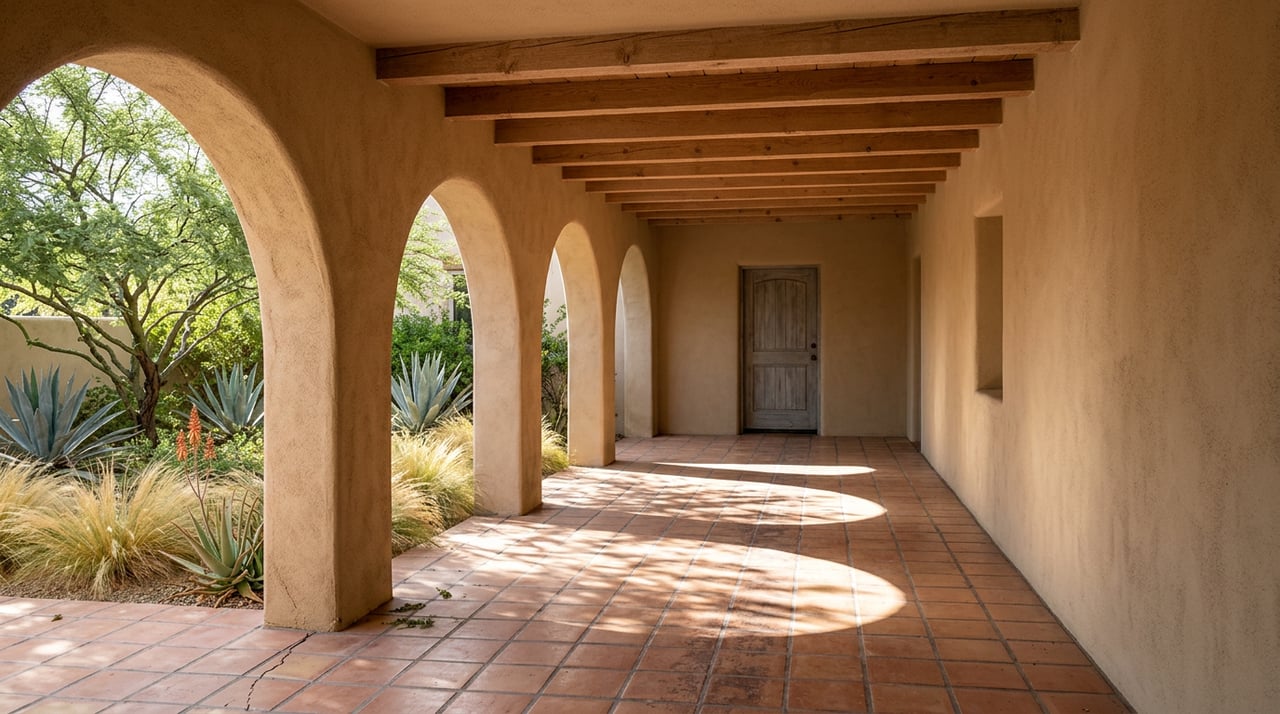
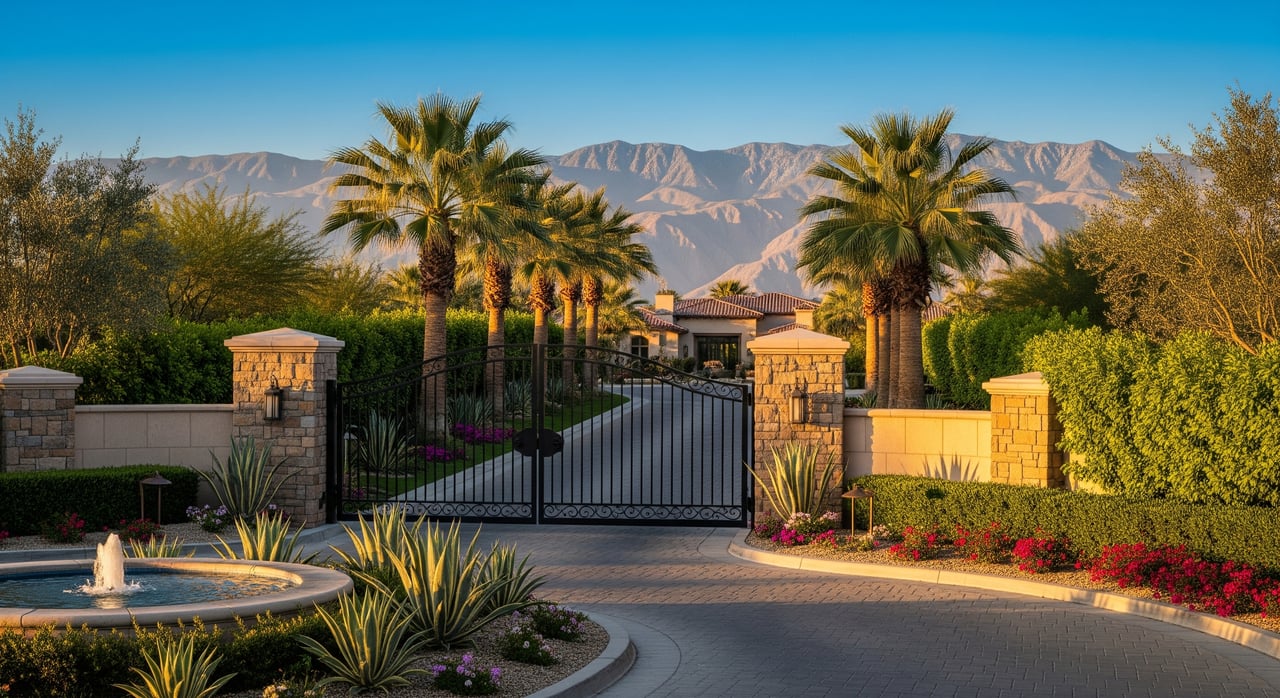
- Mediterranean or Spanish Revival: Stucco, red tile roofs, arches, common in planned golf communities.
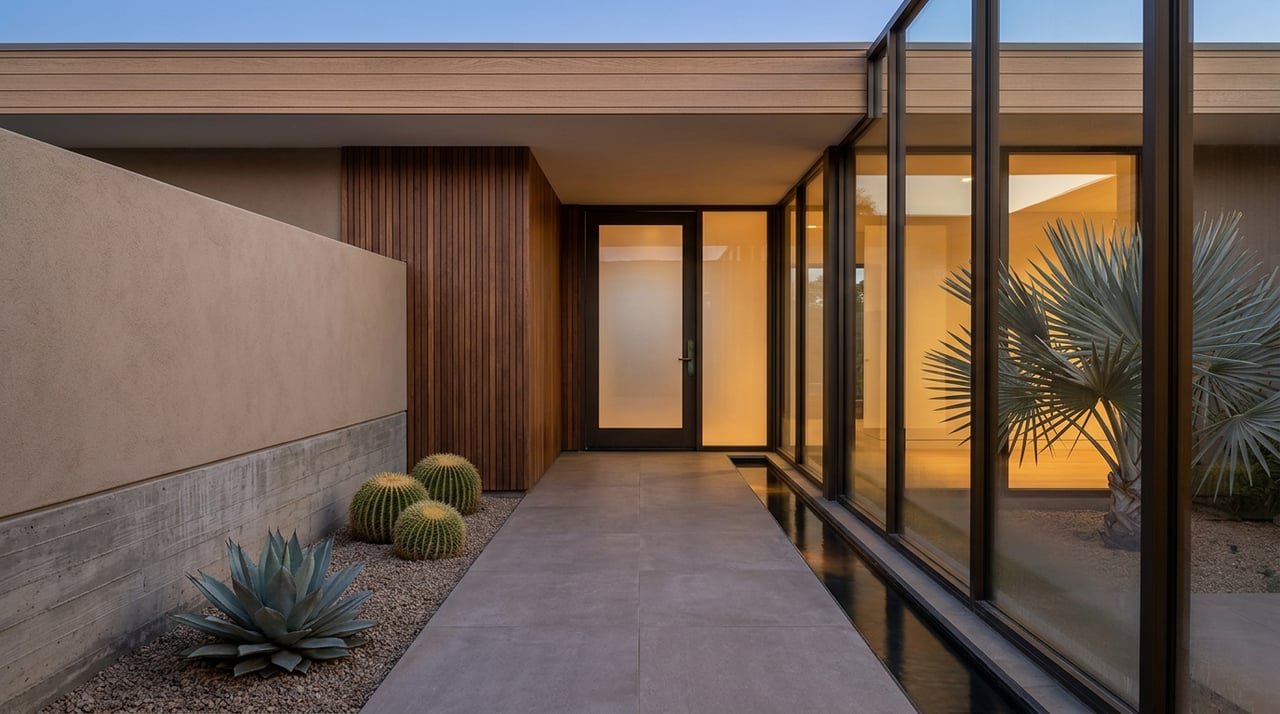
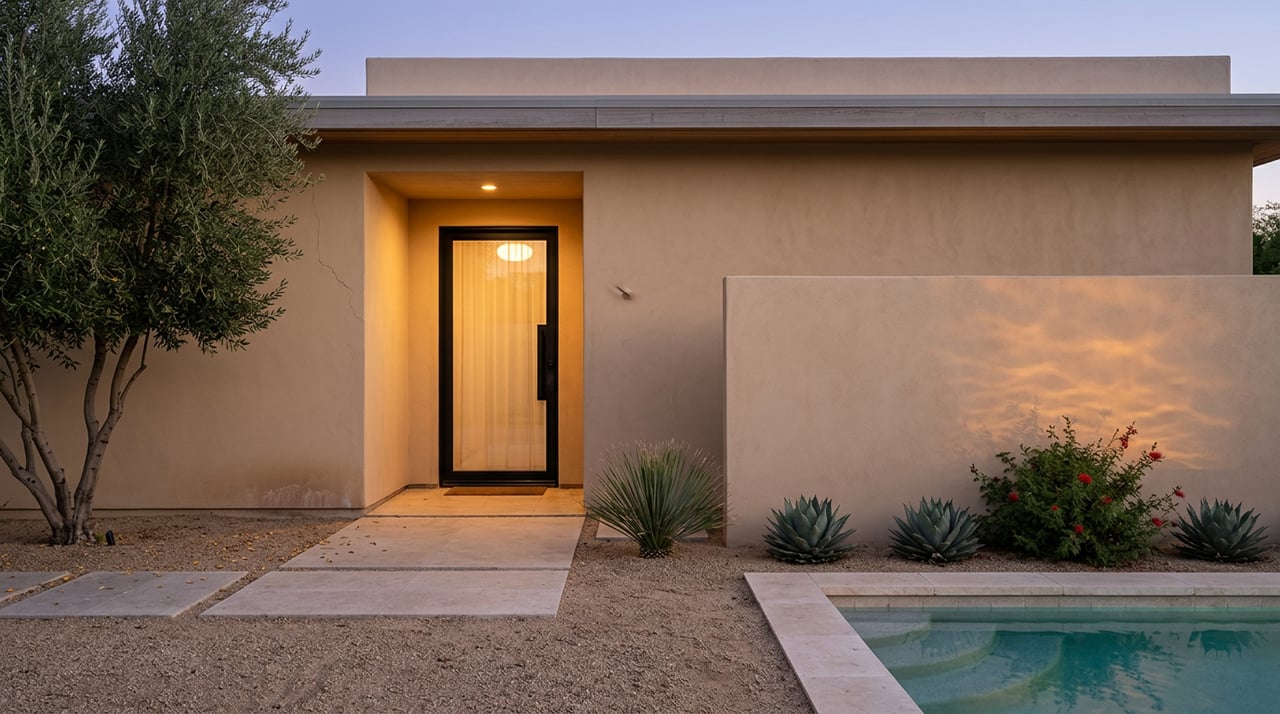
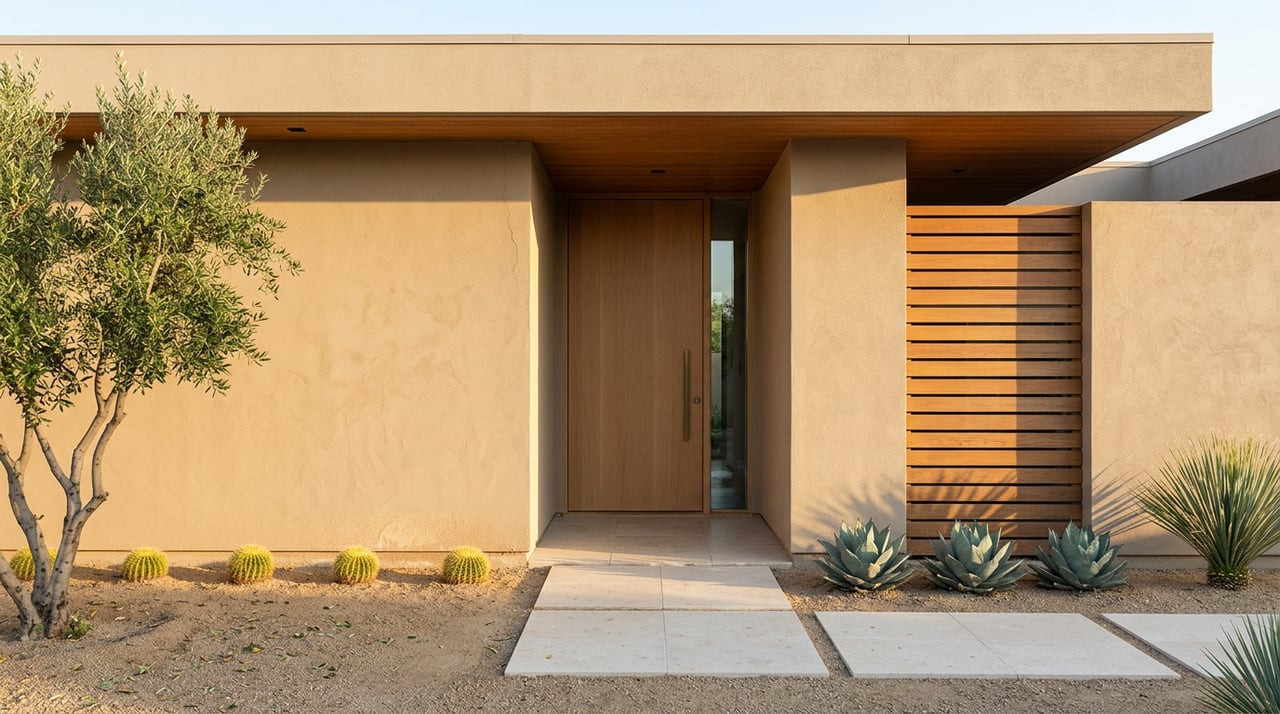
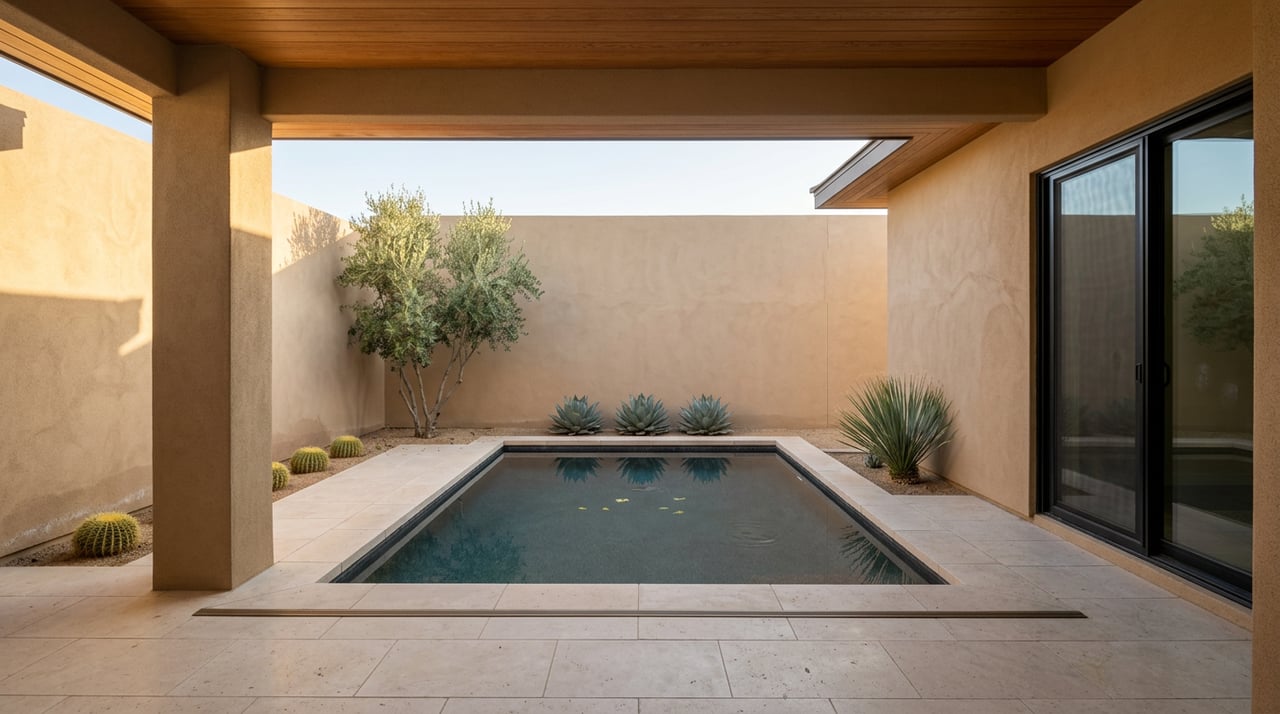
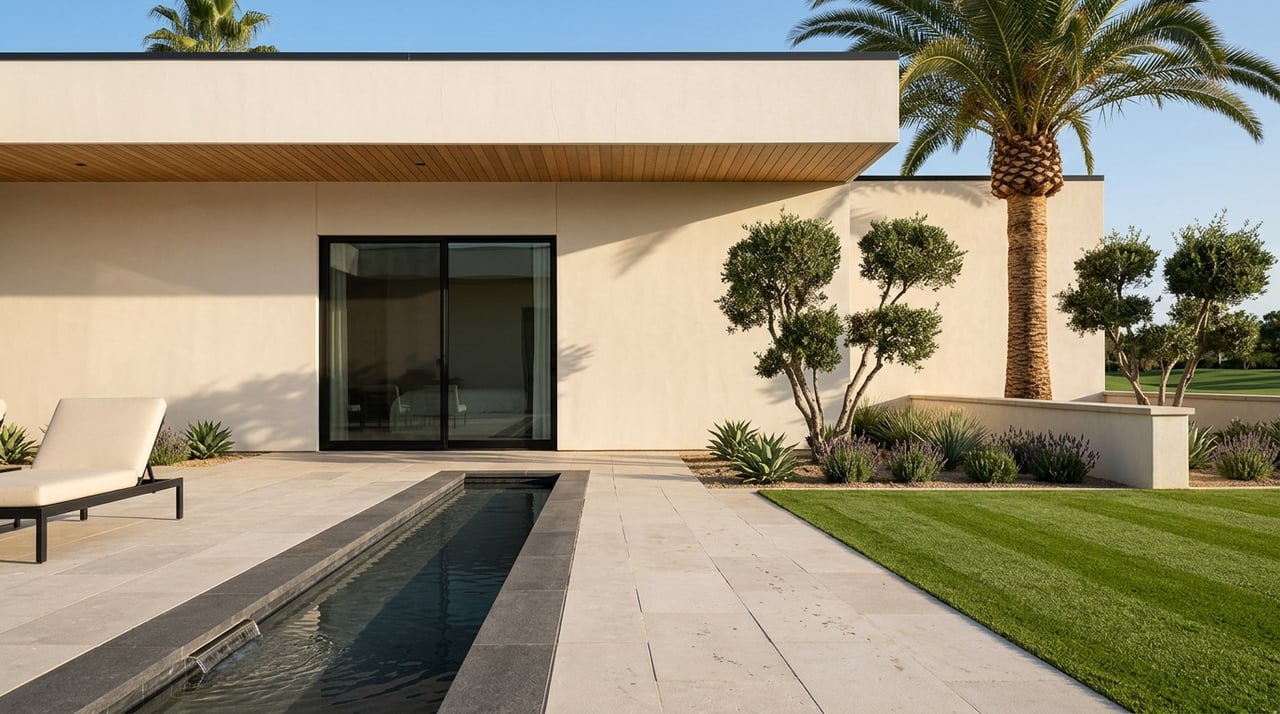
- Contemporary or Desert Modern: Clean lines, large glass, low-pitched roofs, seen in newer custom homes and villas.
- Ranch and single-level villas: Popular for simplicity and accessibility.
- Mid-century modern influence: Present in select renovations and boutique enclaves.
Lot sizes range from compact condo footprints to expansive parcels in estate enclaves. Larger lots offer more privacy and customization but can increase landscaping and water costs.
HOA rules, costs, and what they mean
Most Indian Wells gated communities fall under California’s Davis-Stirling Common Interest Development Act. This framework guides HOA governance, disclosures, and owner rights. Always review the association’s CC&Rs, bylaws, rules, budget, reserve study, and board meeting minutes to understand how the community operates.
How HOAs are structured
- Single HOA: One association oversees all common areas and enforcement.
- Master HOA with sub-HOAs: A master association manages roads and major amenities while sub-HOAs handle neighborhoods or buildings. Dues are split by responsibility.
- Separate club operator: In many golf communities, the private club is a separate company with its own dues, initiation fees, and governance.
Monthly costs to expect
Costs vary by scale and amenity level. Use these ranges as general orientation, not quotes. Actual figures are community specific and change over time.
- Condo or townhome complexes: About $150 to $600 per month.
- Mid-tier single-family, non-golf: About $300 to $1,200 per month.
- Private country-club HOA portion: Often $500 to $2,000+ per month, depending on amenities. Club initiation fees and monthly club dues are separate and can be significant.
- Ultra-luxury or small enclaves: Dues can be lower if there are few shared amenities, but private security and road maintenance can raise costs.
In exclusive clubs, initiation fees have spanned from tens of thousands into the low hundreds of thousands in similar luxury markets. Ask for current fee schedules, waiting lists, and policies directly from the club.
Rules that shape daily life
HOA rules protect community standards but also affect your daily routine:
- Architectural review: Most exterior changes need approval. Timelines and flexibility differ by community.
- Rental rules: Many HOAs restrict or prohibit short-term rentals. Confirm minimum lease terms if you plan to rent seasonally.
- Pets, parking, and landscape: Pet limits, driveway and garage rules, and landscape expectations may apply, including xeriscape or irrigation standards.
- Security and guest access: Gate procedures, delivery protocols, and guest registration vary and can impact convenience.
Insurance and desert realities
Ask what the HOA’s master insurance covers versus what you must insure. In condos, the master policy may include building shells, while interiors and contents are the owner’s responsibility. Detached homes usually require full individual coverage. Desert climate considerations matter too. Water budgets, drought rules, irrigation systems, and landscape choices influence ongoing costs. Review local hazard assessments and any HOA emergency plans, including wildfire preparedness and insurance implications.
A simple decision matrix
Create a side-by-side scorecard to compare two or three favorite communities. Rank each on the criteria that matter most to you.
- Amenities: Golf, pool, gym, tennis or pickleball, full-service dining.
- Costs: Estimated HOA dues plus any club initiation and monthly dues.
- Rules: Rental policy, architectural review strictness, pet and vehicle rules.
- Home types: Single-level availability, lot size, age of homes, maintenance level.
- Social scene: Active events or a quieter, privacy-first feel.
- Security and gate operations: Visitor access, staffed or unstaffed gates, hours.
- Location: Proximity to shopping, medical services, and the Indian Wells Tennis Garden.
Due diligence checklist
Request and review these documents as early as possible. They give you a true picture of costs, rules, and any emerging issues.
- Governing documents: CC&Rs, bylaws, rules and regulations.
- Financials: Current budget, latest statements, reserve study, history of special assessments.
- Board meeting minutes: Last 12 to 24 months to spot recurring topics or planned projects.
- Insurance summary: Master policy declarations and owner responsibilities.
- Club membership documents: Initiation fees, waiting lists, required minimums, monthly dues, resignation or transfer policies.
- Rental and occupancy policies: Minimum terms, caps, and enforcement.
- Architectural standards: Submission procedures and timelines.
- Litigation disclosures: Any current legal disputes involving the HOA or club.
- Capital projects: Recently completed work and planned major repairs.
- Safety and utilities: Crime and safety data, emergency response considerations, and typical utility arrangements, including water assessments if applicable.
Validate on the ground
Paperwork is essential, but a real-world visit can be decisive. Tour at different times and days to experience activity levels, gate flow, and noise patterns. If permitted, attend a public event or request a trial visit at the club. Speak with current residents about daily life, maintenance responsiveness, and enforcement of rules. Work with a local agent who can pull HOA and club documents early in escrow so there are no late surprises.
Risks, tradeoffs, and resale
Every community balances amenities and costs. More amenities usually mean higher dues, so weigh what you will actually use. In golf communities, neighborhood appeal can be tied to club performance and course plans. Rental restrictions may limit flexibility but can also help preserve community character. Architectural controls protect aesthetics yet may add steps to renovations. Finally, remember that landscaping and water needs in the desert affect both the look of your home and your monthly expenses.
How we help you compare Indian Wells gated communities
Choosing a gated community in Indian Wells is personal. You deserve clear guidance, timely information, and someone who knows the nuances of HOA governance, golf memberships, and neighborhood character. As a boutique team backed by Berkshire Hathaway HomeServices, we combine local expertise with full-service support. We help you define priorities, shortlist communities, request and review HOA and club documents, and validate your choice with on-the-ground insights. Whether you want golf-first living, a resort feel without the fairways, or a private estate enclave, we’ll help you find the right fit at the right total cost.
Ready to explore communities and compare options side by side? Schedule a Free Consultation with Deborah Ferrell to get started.
FAQs
What are typical HOA dues in Indian Wells gated communities?
- Depending on scale and amenities, condo or townhome dues are often about $150 to $600 per month, mid-tier single-family non-golf about $300 to $1,200, and golf-club HOAs often $500 to $2,000+ per month, with club dues separate.
How do golf club fees differ from HOA dues when buying in Indian Wells?
- HOA dues fund shared community operations, while club initiation fees and monthly club dues are separate costs tied to the private golf club’s operations, rules, and membership benefits.
What should I look for in HOA rules before purchasing a gated home?
- Review rental restrictions, architectural review timelines, pet and parking rules, landscape requirements, and security procedures to ensure they align with your lifestyle and plans.
How can I check an HOA’s financial health in a gated community?
- Ask for the current budget, financial statements, reserve study, and history of special assessments, plus 12 to 24 months of board meeting minutes to spot recurring issues.
Are short-term rentals allowed in Indian Wells gated neighborhoods?
- Many HOAs restrict or prohibit short-term rentals; confirm minimum lease terms and enforcement practices in the rules and regulations before you buy.
What home styles are common in Indian Wells gated communities?
- You’ll see Mediterranean or Spanish Revival, Contemporary or Desert Modern, single-level ranch villas, and some mid-century modern influences across different neighborhoods.
What is the Davis-Stirling Act and why does it matter?
- It is California’s legal framework for common interest communities. It shapes HOA governance, disclosures, owner rights, and the documents you should review during due diligence.